

Signs You Need Pest Removal Clearwater FL: Droppings or Urine
Pest droppings are often one of the most visible signs of an infestation. Rodents, cockroaches, and other pests leave feces or urine trails as they move through your home. These can typically be found in corners, behind furniture, or inside kitchen cabinets.
- Rodent droppings: Small, pellet-shaped feces.
- Cockroach droppings: Resemble coffee grounds or black pepper.
- Urine stains: May appear as small streaks or spots alongside droppings.
1. Gnaw Marks
Rodents like mice and rats gnaw on wood, wires, and other materials to maintain their teeth size. Chewed furniture corners, frayed wires, and bite marks on packaging often signal that rodents are present.
| Material Affected | Signs of Damage |
| Wood furniture | Rough edges or gnawed surfaces |
| Electrical wiring | Frayed wires; potential fire hazards |
| Food packaging | Holes or tears in cardboard containers |
2. Strange Noises
Unusual sounds are another indicator of pest activity. Scratching noises may come from walls, ceilings, or attics as pests scurry around during quieter hours.
- Mice/rats: Skittering noises at night.
- Termites: Clicking sounds inside wooden structures.
- Birds/bats: Flapping wings near chimneys or vents.
3. Nests and Tunnels
Pests create nests from shredded paper, fabric fibers, leaves, or other materials they find within your home. Additionally, mud tubes (a sign of termites) on walls or along foundation lines suggest structural damage.
Common Nesting Locations:
- Inside wall voids
- Behind appliances
- In basements and attics
4. Stains and Damage to Surfaces
Walls and floors can show discoloration caused by grease trails left by pests such as rodents who repeatedly travel along the same paths.
Types of damage: – Dark stains near baseboards. – Holes chewed into drywall. – Scuff marks along high-pest traffic areas.
5. Unpleasant Odors
- Rotting food smell: May point toward rodents hoarding food.
- Ammonia-like scent: Common with rodent urine.
- Musty odor: Could signal mold growth triggered by pest activity.
6. Dead Pests
Finding dead insects like cockroaches or ants in unusual numbers could mean there’s an active infestation nearby that needs immediate attention.
7. Unexplained Bites/Allergies
Frequent skin irritations such as bites may suggest bed bugs or fleas have invaded your living space—especially if these symptoms worsen at night when pests tend to feed undisturbed.
Symptoms to Watch Out For:
1) Red bumps appearing overnight
2) Persistent itching
3) Rash-like patterns forming on skin
8: Visible Pests During Daylight Hours
Nocturnal creatures such as cockroaches avoiding hiding daytime usually indicate severity-level infestations spanning nesting stage phases
Identifying Droppings or Urine as Indicators of a Potential Pest Problem
Pest infestations can often go unnoticed until they become a significant issue. One of the earliest and most reliable signs of a pest problem is the presence of droppings or urine. Recognizing these indicators is essential for addressing infestations promptly and effectively.
Types of Droppings and What They Indicate
| Pest | Dropping Characteristics | Location Found |
| Rodents (e.g., mice, rats) | Small, dark pellets (similar to grains of rice) | Near food sources, baseboards, attics |
| Cockroaches | Small black or brown specks resembling coffee grounds | Kitchens, bathrooms, under appliances |
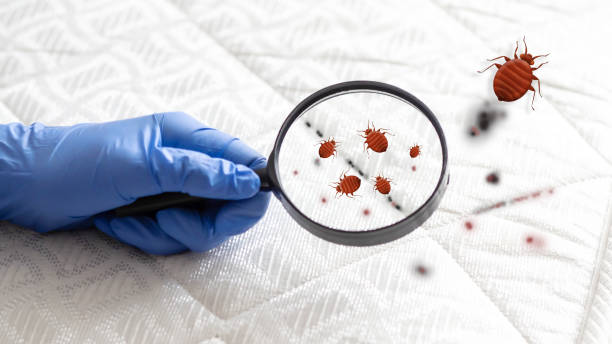
| Bed Bugs | Tiny black dots resembling ink spots | Mattress seams, headboards |
| Bats | Larger droppings with shiny fragments (undigested insects) | Attics, basements |
| Termites | Wood-colored pellets resembling sawdust (frass) | Around wooden structures |
- Rodent Droppings: These are among the most common signs and often appear in areas where food is stored or consumed.
- Cockroach Feces: Smaller but highly concentrated in warm and humid areas like kitchens or drains.
- Bed Bug Excrement: Typically found alongside blood stains on bedding.
- Termite Frass: A sign that wooden structures or furniture might be compromised.
Identifying Urine Trails
- Mouse urine often fluoresces under ultraviolet light.
- A pungent ammonia smell may indicate rat activity.
- Laundry rooms or kitchens with damp environments are particularly vulnerable.
Using tools like UV lights to detect rodent urine can help pinpoint problem areas.
Health Risks Associated with Pest Waste
- Hantavirus: Spread through rodent droppings and urine exposure.
- Salmonella: Commonly transmitted via cockroach feces contaminating food preparation areas.
- Allergic Reactions: Particularly from cockroach excrement in sensitive individuals.
- Asthma Triggers: Fecal matter from pests can exacerbate asthma symptoms.
Tips for Handling Droppings Safely
- Wear gloves before handling any materials.
- Use disposable paper towels rather than reusable cleaning cloths.
- Disinfect the area thoroughly using bleach-based cleaners.
- Avoid vacuuming dry waste as this could aerosolize harmful particles into the air.
When to Call a Professional
- Identify the species based on waste evidence.
- Assess potential entry points into your home.
- Recommend targeted treatment plans.
Detecting and addressing droppings early minimizes both health risks and structural damage caused by pests over time—a proactive approach ensures long-term comfort and safety within your home environment.

Understanding the Impact of Gnaw Marks or Chewed Materials Caused by Pests
Pests, such as rodents, termites, and other insects, often leave behind clear signs of their presence through gnaw marks or chewed materials. These indicators serve as critical evidence of an infestation and should never be ignored. Understanding how to identify these traces can help homeowners take swift action to address potential pest problems before they escalate.
Why Do Pests Gnaw or Chew?
- Survival Needs: Many pests chew on materials to access food sources or create nests. For instance, rodents may gnaw through food packaging or insulation in search of sustenance.
- Natural Behavior: Rodents like rats and mice have ever-growing incisors that require constant filing. They gnaw on wood, wiring, and other materials to keep their teeth from overgrowing.
- Access Points: Pests often chew on barriers such as walls, doors, or insulation to create entryways into homes.
Common Areas Where You May Find Gnaw Marks
- Walls and Baseboards
Look for damage along walls and baseboards where rodents may attempt to expand pre-existing cracks or holes. - Food Packaging
Torn or chewed food boxes, bags, or containers are a strong sign of pest activity in kitchens and pantries. - Wiring
Electrical wiring is a common target for rodents because the plastic coating is easily chewed through. Damaged wires not only indicate an infestation but also pose serious fire hazards. - Wooden Structures
Termites are notorious for chewing through wooden furniture, frames, floors, and beams, compromising your home’s structural integrity. - Furniture Fabric and Upholstery
Rodents sometimes gnaw on soft materials like fabric to gather nesting material.
How to Differentiate Between Pest-Specific Damage
| Pest | Typical Signs of Chewing/Gnawing | Materials Affected |
| Rodents (Rats/Mice) | Rough edges; visible tooth marks | Woodwork; baseboards; electrical wires; plastic containers |
| Termites | Smooth-edged tunneling; hollow sounds when tapped | Wooden structures; furniture |
| Cockroaches | Small irregular holes around food packages | Cardboard boxes; paper bags |
| Carpenter Ants | Sawdust-like debris near entry points (frass) | Wood surfaces; furniture |
Risks Associated with Ignoring Gnaw Marks
- Structural Damage: Persistent gnawing by termites can weaken wooden structures over time.
- Fire Hazards: Mice and rats chewing through electrical wires may increase the risk of fires due to exposed wiring.
- Food Contamination: Chewed food packaging exposes your pantry supplies to bacteria carried by pests.
- Health Concerns: Rodents spread diseases such as hantavirus through their saliva and droppings left near chewed areas.
Steps You Can Take Upon Discovering Gnaw Marks
- Inspect all areas where damage is visible.
- Set up traps in high-risk zones such as attics or basements.
- Seal all cracks and crevices that could serve as potential entry points with caulk or steel wool.
- Contact a licensed pest control professional if the damage appears extensive.
By identifying gnaw marks early on and understanding their implications, homeowners can mitigate further destruction caused by pests while safeguarding their property from long-term harm.
Discovering Mud Tubes, Tunnels, or Nests: Clear Evidence of Infestation
When identifying a pest infestation in your home, the discovery of mud tubes, tunnels, or nests is one of the most apparent signs. These structures often serve as shelters and pathways for pests and are critical to their survival. Knowing how to recognize and interpret these signs is essential for early detection and effective intervention.
Common Pests That Create Mud Tubes, Tunnels, or Nests
| Pest | Signs to Look For | Common Locations |
| Termites | Thin mud tubes on walls or foundations | Near wood structures, foundations |
| Ants | Small dirt tunnels or hills | Baseboards, garden soil |
| Wasps | Papery nests attached to eaves or ceilings | Roof overhangs, attics |
| Rodents | Burrowed tunnels in insulation | Basements, crawl spaces |
| Bees | Waxy hives with visible honeycomb patterns | Trees, attics |
Identifying Mud Tubes
Mud tubes are one of the most characteristic indicators of termites but can also be created by other pests like ants. These tubes are typically made from soil and saliva and allow pests to travel safely while maintaining moisture levels.
- Appearance: Thin lines made of packed dirt; usually light brown.
- Locations: Commonly seen along walls, foundations, or wooden beams.
- Purpose: Protects termites from sunlight and predators while they forage for food.
If you notice any such formations near wooden elements in your home—especially structural supports—it is a strong sign that termites may be present.
Spotting Tunnels Inside Materials
Tunnels within materials like wood indicate that pests are burrowing inside surfaces rather than merely traveling across them. Carpenter ants and beetles often carve out intricate networks inside wooden furniture or beams.
- Hollow-sounding wood when tapped.
- Fine sawdust-like material (frass) around wooden objects.
- Wooden floors, ceilings, furniture legs.
If you observe such damage paired with frass deposits nearby, it strongly suggests an active infestation.
Recognizing Nests
- Appearance: Papery materials formed into rounded structures.
- Locations: High places like roof eaves or attic corners.
- Composition: Shredded paper, fabric scraps.
- Placement: Hidden areas such as behind appliances or under insulation.
- Indicators: Twigs and leaves gathered near vents or chimneys.
Regularly inspecting less-frequented areas such as basements and attics helps reveal hidden nests before infestations worsen.
Preventive Measures Once Evidence Is Found
- Contact a licensed pest control professional immediately for evaluation.
- Limit access points where pests might enter—seal cracks in walls/foundations.
- Remove sources attracting pests (food crumbs left out; excess moisture).
Detecting these signs early can prevent extensive damage while ensuring your home remains safe from further infestations over time.
Signs You Need a Pest Control Company Clearwater FL for Wall and Floor Damage
When dealing with pests in the home, one of the most overlooked signs of an infestation is the presence of stains, marks, or damage on walls and floors. These indicators often provide critical clues about the type of pests present, their activities, and even the extent of the problem. Below is a detailed guide on recognizing and interpreting these signs to take timely action.
Common Types of Stains and Marks
- Grease Marks: Rodents like rats and mice often leave smudges or grease trails along walls or baseboards. These marks are caused by oils from their fur as they repeatedly travel along specific pathways.
- Rust-Colored Stains: Bed bugs release digested blood which can appear as small rust-colored spots on walls, furniture, or bedding near infested areas.
- Dark Droplet Patterns: Cockroaches excrete waste in liquid form that may look like dark brown or black stains where they congregate.
Types of Damage Found on Walls and Floors
- Rodents often gnaw through drywall to access hidden spaces for nesting.
- Larger holes may indicate a long-standing infestation requiring immediate attention.
- Rodents and insects like termites leave chew marks on wooden floors, baseboards, or cabinetry.
- Consider inspecting areas adjacent to those scratches for further evidence such as droppings.
- Termites compromise wood structures by eating through them from within.
- Over time, this weakens walls or floorboards leading to visible cracks or sagging sections.
Interpreting Patterns for Pest Identification
| Type of Mark/Damage | Possible Pest Responsible | Area Where Found |
| Long horizontal trails | Rodents | Near baseboards or kitchen walls |
| Circular chew holes | Termites | Wooden beams or furniture |
| Rusty red spots | Bed bugs | Mattress seams/wall crevices |
| Sticky residue stains | Cockroaches | Kitchens/bathrooms |
Steps for Addressing Wall and Floor Damage
- Inspect your home thoroughly for other pest activity such as droppings, nests, or unusual odors.
- Collect samples (e.g., photos) of damage for professional pest control assessment.
- Repair structural damage promptly using durable materials to prevent re-entry points.
- Apply preventative measures including sealing wall cracks and gaps in flooring.
By closely examining wall and floor-related evidence within your home environment, you can effectively identify pest threats early on before extensive damages occur.
Signs You Need an Exterminator Clearwater FL: Unexplained Bites and Skin Irritations
Unexplained bites or skin irritations are often dismissed as minor inconveniences, but they can be a critical indicator of a pest infestation in your home. Various pests, such as bed bugs, fleas, mites, and even certain types of spiders, can cause skin reactions. Understanding the connection between these symptoms and potential infestations is essential for addressing the problem effectively.
Common Pests Causing Bites or Irritations
| Pest Type | Bite Characteristics | Additional Signs |
| Bed Bugs | Small red welts in clusters or lines; itchy | Blood stains on sheets; tiny dark droppings near bedding |
| Fleas | Small red spots; concentrated around ankles or lower legs | Presence of fleas on pets; flea dirt in pet bedding |
| Mites | Tiny red bumps; often itchy | Often linked to bird nests or rodent activity; microscopic to the naked eye |
| Spiders | Single bite marks with redness; some swelling possible | Presence of webs in hidden corners or near windows |
Recognizing Skin Reactions Linked to Pests
- Location on the Body: Bed bug bites often appear on exposed areas such as arms and neck during sleep, while flea bites are more common around the ankles.
- Pattern and Frequency: Clusters of bites or recurring reactions over several days may point towards an active infestation.
- Severity of Symptoms: Some individuals may develop severe allergic reactions (e.g., swelling, hives). In such cases, medical attention should be sought immediately.
Inspecting Your Environment for Further Evidence
- Check Bedding and Furniture: Look closely at mattresses, box springs, couches, and chairs for signs like small blood spots or shed exoskeletons (indicative of bed bugs).
- Examine Pets Closely: For households with pets, inspect their fur for fleas using a specialized comb.
- Focus on Cracks and Crevices: Many pests hide in tight spaces during the day—inspect baseboards, wall voids, and other concealed areas.
- Pay Attention to Outdoor Areas: Some pests originate outside before entering homes (e.g., spiders coming through windows).
Preventive Measures to Address Skin Irritations from Pests
- Wash bedding in hot water regularly.
- Vacuum carpets and furniture thoroughly.
- Use pest-specific treatments like diatomaceous earth for bed bugs or flea collars for pets.
- Seal cracks or entry points around doors and windows.
Addressing unexplained bites promptly not only ensures personal comfort but also prevents minor issues from escalating into larger infestations that require professional intervention.
- Effective Solutions from a Pest Control Company Clearwater FL to Stop Infestations Early
- Identifying Pest Infestation: Tips from a Pest Control Company Clearwater FL
- Top 8 Signs You Need Clearwater Pest Control for a Home Infestation
- Identifying Droppings and Stains: Key Indicators for Clearwater Pest Control Needs
- Top 10 Warning Signs You Need an Exterminator Clearwater FL for a Pest Infestation in Your Home
- 9 Warning Signs You Need an Exterminator Clearwater FL to Protect Your Home and Health
- How to Identify the Most Common Signs of a Pest Infestation with a Pest Control Company Clearwater FL